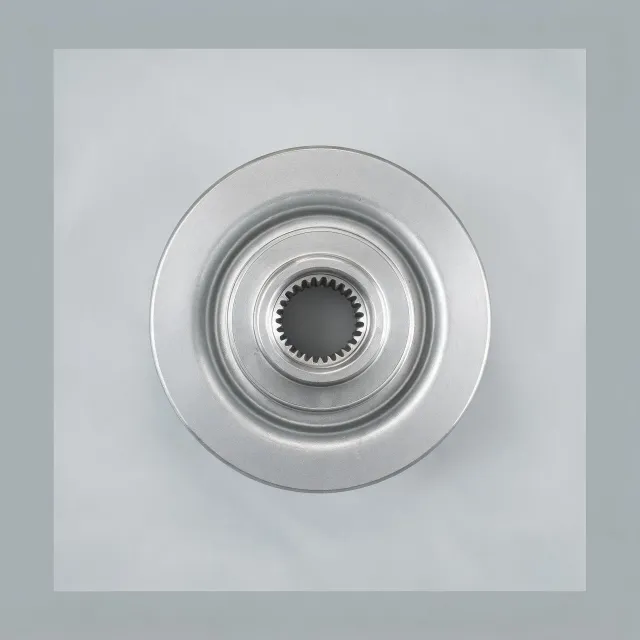
 Front hub assemblies
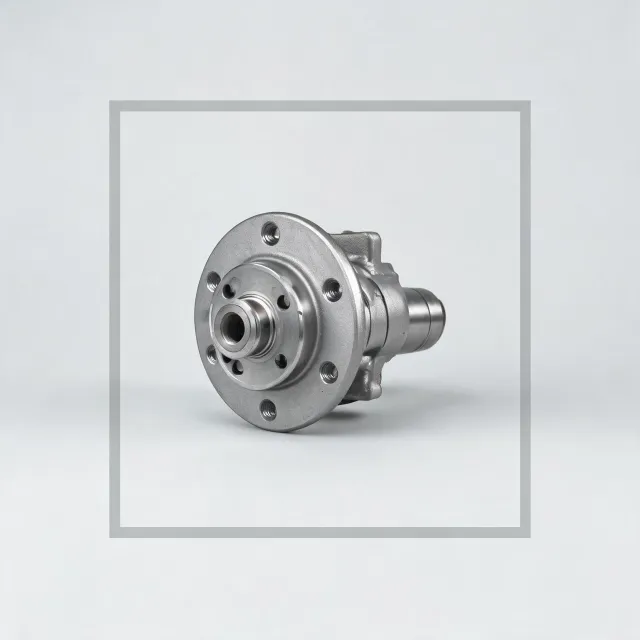 Rear hub assemblies
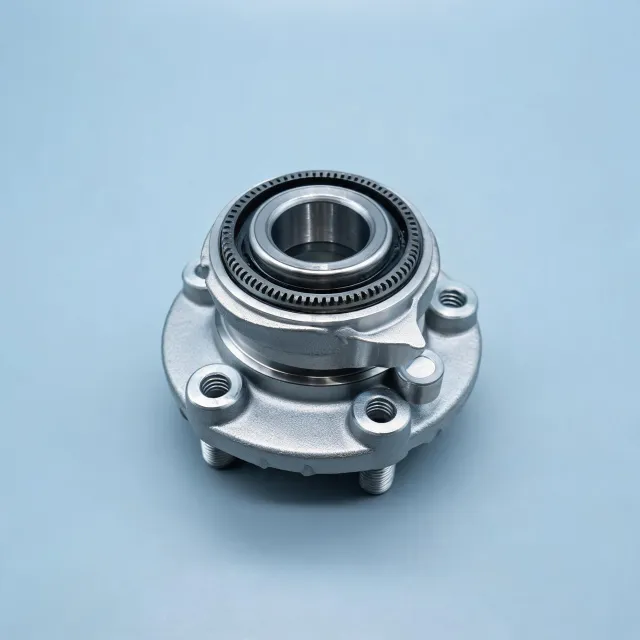 ABS-equipped units
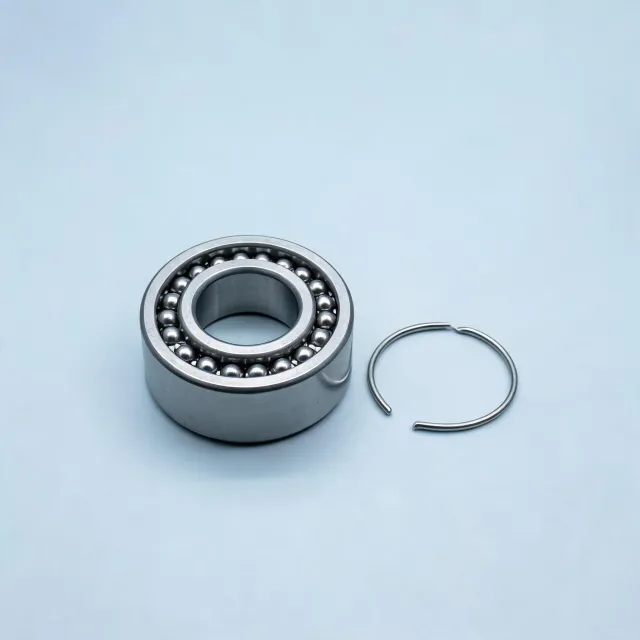 Wheel bearing kits
Importers
Confirm named place, carton count and the handoff to the forwarder.
Send an OE reference and axle position. We help buyers compare China supplier quotes against the same fitment brief, then coordinate samples and inspection before the buyer approves an order.
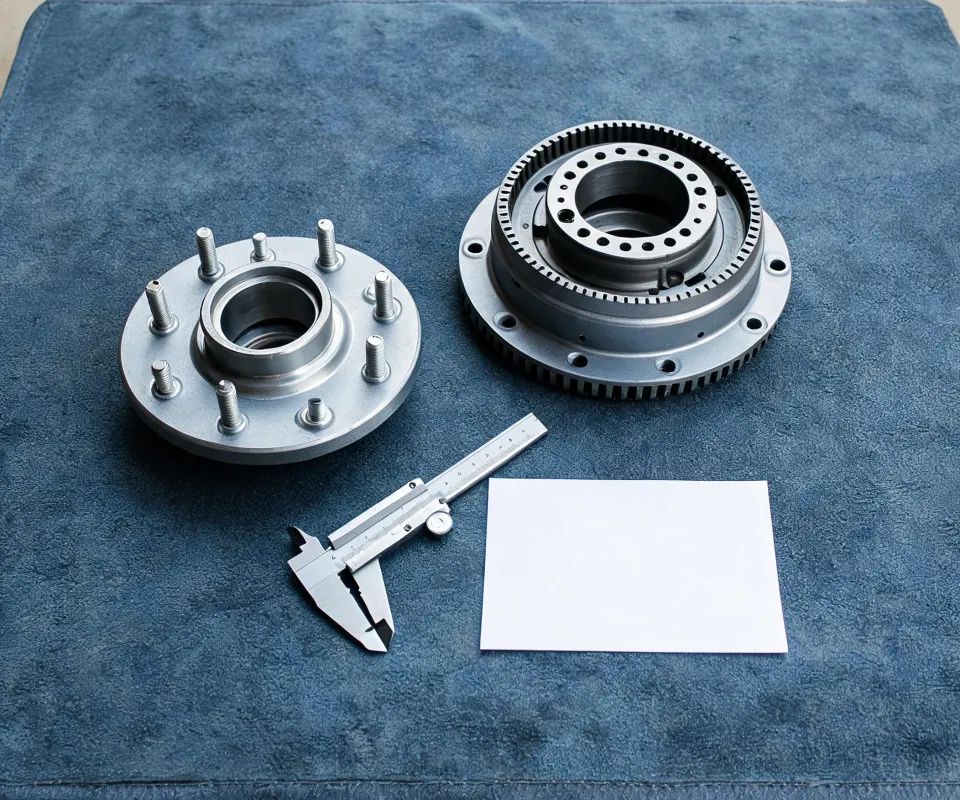
Use the assembly boundary to decide which details to put in the RFQ.
Check the repair procedure before asking suppliers to quote either option. The replacement method depends on the vehicle platform and axle.
| Check | Integrated hub unit | Serviceable bearing |
|---|---|---|
| Mechanical interface | Compare hub flange dimensions in mm, bolt pattern, spline and mounting face. | Compare bore, outer diameter and width in mm, then check circlip location and seal lip orientation against the drawing. |
| Signal interface | Record the ABS encoder ring type, connector keying and harness route where fitted. | Specify which face carries the encoder and how the bearing sits relative to the wheel speed sensor. |
| Workshop trade-off | An assembled unit reduces on-vehicle bearing setup where the platform accepts the unit. | A bearing-only repair can retain the hub when the flange is serviceable and the workshop can support press work. |
Record the drawing revision, OE cross reference, model year, drivetrain, axle and quantities by line.
Compare hardware inclusion, sample fees, MOQ, pack size and the named place on each Incoterm.
Agree the inspection plan with the buyer. Match the sample label and encoder orientation to the approved reference.
Check that carton marks, packing list and line quantities identify the same revisions before forwarding shipment instructions.
Scroll to compare the information different buying teams need.
Confirm named place, carton count and the handoff to the forwarder.
Separate OE aliases from genuine platform or axle differences.
Specify hardware and installation scope before ordering samples.
Group active platforms by axle and estimate quantity per replacement line.
Keep vehicle exceptions and cross references attached to the item record.
Request lot traceability and agree which checks require an independent party.
Check the drawing reference against the quoted line and record any changes to the flange, spline or seal.
Ask how a box label links back to its batch and whether mixed revisions are separated.
Verify the named entity and site on IATF or ISO documents where requested. Product evidence requires its own scope review.
Specify sample IDs, instruments and the drawing checkpoints before requesting inspection.
Keep the approved unit, label and fitment notes together so later changes can be compared.
Resolve part substitutions and open evidence items before approving the purchase line.
Yes. Supply photos of the label, both faces and any connector, plus model year, drivetrain and axle. Treat dimensions from a worn unit as screening information and resolve discrepancies against an approved reference.
Price both against the same kit contents. Retainers, seals, fasteners and special packaging can change the comparison, along with the Incoterm and named place.
Record when the supplier confirmed it, the starting milestone and any conditions around sample approval, component availability and packing. Ask the supplier to reconfirm it before order release. A stock program may simplify replenishment if the exact revision is available. A custom program can lock a different interface or kit scope, with more work on samples and validation.
Include quantities and destination so the supplier can quote the same configuration and shipping basis.